CREDIT: STEVE FECHT FOR GENERAL MOTORS
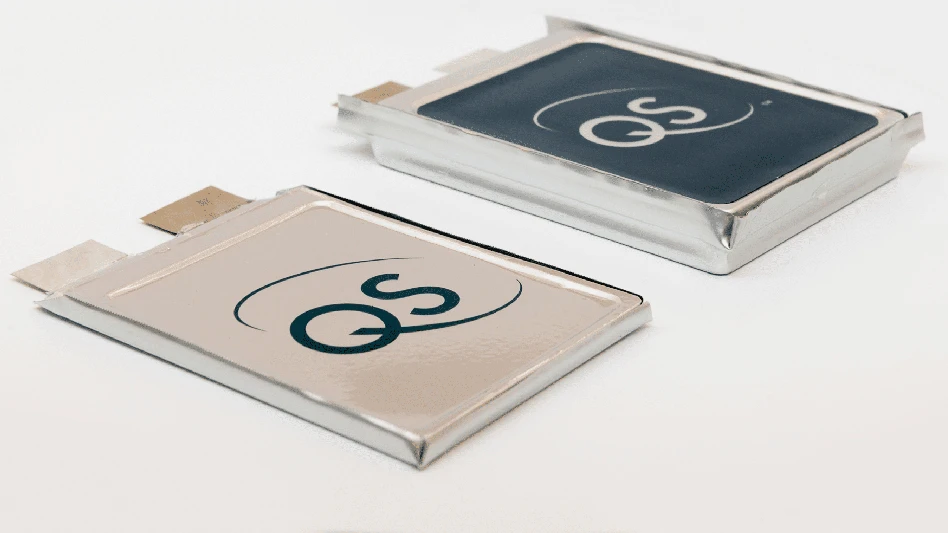
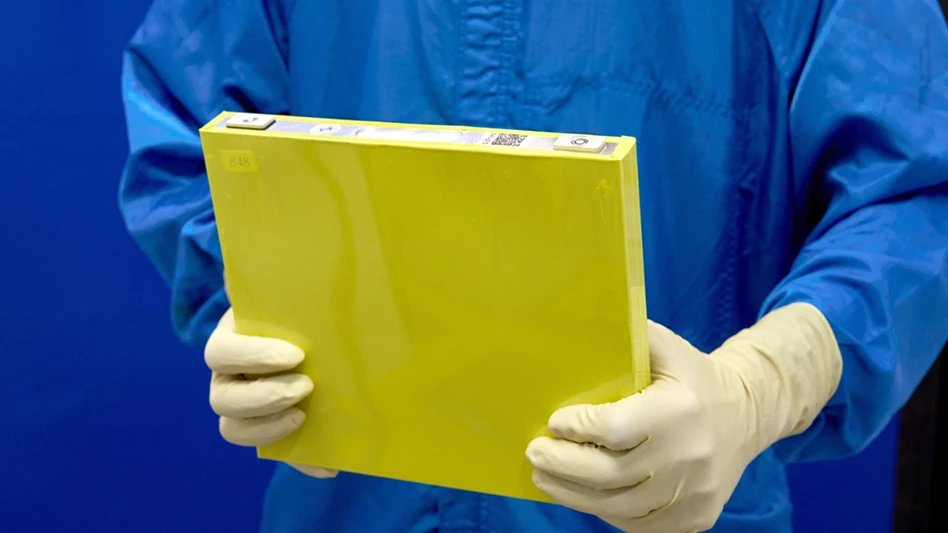
General Motors and LG Energy Solution will commercialize lithium manganese-rich (LMR) prismatic battery cells for future GM electric trucks and full-size SUVs, in a new battery technology breakthrough. This builds on a partnership between the two companies to develop prismatic battery cell technology and related chemistries.
While Ford recently announced its own breakthrough with LMR battery chemistry, GM aims to become the first automaker to deploy LMR batteries in electric vehicles (EVs). Ultium Cells, a GM and LG Energy Solution joint venture, plans to start commercial production of LMR prismatic cells in the United States by 2028, with pre-production expected to begin at an LG Energy Solution facility by late 2027. The final production-design of these LMR battery cells will be validated at GM’s Battery Cell Development Center in Warren, MI, which is expected to open earlier that year, as well as LG Energy Solution’s facility.
Battery cathodes require materials like cobalt, nickel, and manganese, with cobalt being the most expensive. LMR battery cells use a higher proportion of more affordable manganese, while also delivering greater capacity and energy density.
Battery engineers at GM and LG Energy Solution have developed a new LMR prismatic battery cell that unlocks 33% higher energy density compared to the best-performing lithium iron phosphate (LFP) based cells – at a comparable cost.
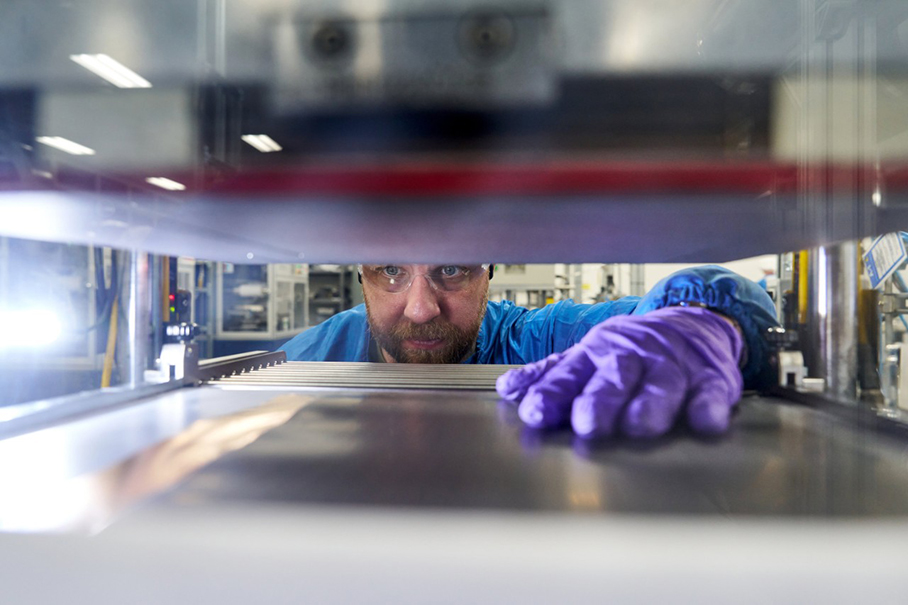
GM's electric truck platform has segment-leading range using high-nickel chemistry today. By integrating LMR battery technology and the manufacturing and space efficiency benefits of prismatic cells, GM aims to offer more than 400 miles of range in an electric truck while achieving significant battery pack cost savings compared to today’s high-nickel pack.
“We’re pioneering manganese-rich battery technology to unlock premium range and performance at an affordable cost, especially in electric trucks,” says Kurt Kelty, VP of battery, propulsion, and sustainability at GM. “As we look to engineer the ideal battery for each vehicle in our diverse EV portfolio, LMR will complement our high-nickel and iron-phosphate solutions to expand customer choice in the truck and full-size SUV markets, advance American battery innovation, and create jobs well into the future.”
“We’re excited to introduce the first-ever LMR prismatic cells for EVs, the culmination of our decades-long research and investment in the technology,” says Wonjoon Suh, executive VP and head of the Advanced Automotive Battery division at LG Energy Solution. “GM’s future trucks powered by this new chemistry are a strong example of our shared commitment to offering diverse EV options to consumers.”
GM began researching manganese-rich lithium-ion battery cells in 2015, accelerating this technology development by prototyping LMR cells at its Wallace Battery Cell Innovation Center in Warren. In collaboration with partners, GM engineers advanced cathode materials, electrolytes, additives, form factors, and cell assembly processes to overcome LMR’s legacy challenges in performance and durability.
Latest from EV Design & Manufacturing
- Powering homes with EV batteries could cut emissions, save thousands of dollars
- Meviy introduces stainless steel passivation option for CNC, sheet metal parts
- December Lunch + Learn webinar with Fagor Automation
- December Lunch + Learn webinar with LANG Technik + Metalcraft Automation Group
- EVIO makes public debut with hybrid-electric aircraft
- Redesigned pilot step drill triples performance
- Green Energy Origin expands battery electrolyte manufacturing in North America, Europe
- What’s next for the design and manufacturing industry in 2026?