CREDIT: SIONIC ENERGY
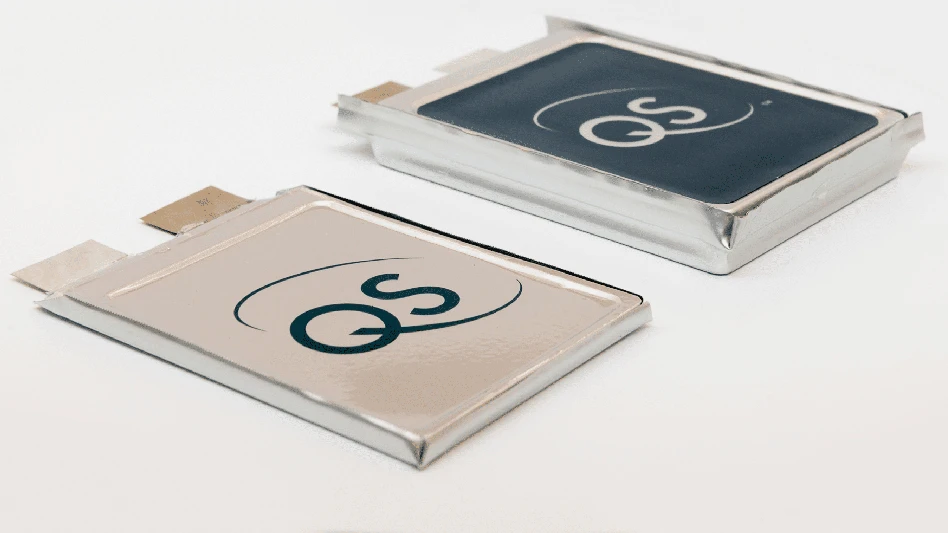
Sionic Energy, developer of lithium-ion battery technologies, is accelerating the industry’s pivot from graphite to silicon by announcing commercial availability of its Rapid Integration Silicon Platform. Built on standard Li-ion manufacturing lines – and verified by independent labs and global automotive companies – the drop-in technology delivers 370Wh/kg, <10-minute charge capability, and more than 1,000 cycles with operating temperatures from -30°C to 45°C.
Packaged as a licensable product for both battery manufacturers and OEMs, Sionic has been shipping pouch-format prototypes to Tier 1 and Tier 2 battery producers and leading automotive, consumer electronics, and aviation companies. The first licensees are integrating the platform for cylindrical cell production, with pilot volumes expected in Q4-2025.
Critical innovations
- Simple process & design: No pre-lithiation or cell compression required. Proprietary conductive matrix secures performance and mechanical stability without process or cell structure add-ons.
- Adaptive to formats: Pouch prototypes shipping for customer evaluations, and cylindrical platform designs are entering pilot runs in Q4-2025, with prismatic platform designs in Q1-2026.
- Built for licensing: Flexible IP package, material spec sheets, and on-site tech-transfer support cut scale-up risk for cell manufacturers.
- U.S. supply chain ready: Base silicon and all core materials sourced from qualified domestic suppliers for compliance.
“This platform removes the barriers that have held full silicon back for years – complexity, cost, and inflexibility,” says Ed Williams, CEO of Sionic Energy. “Through innovations in proprietary materials and designs, we’ve engineered the complexity out. Our Rapid Integration Silicon Platform slots into today’s equipment, removes graphite entirely, and enables cell makers and product companies to license a high performance, ready-to-build reference platform, eliminating extensive R&D efforts, and delivering the speed and agility needed to compete in today’s battery markets.”
Latest from EV Design & Manufacturing
- Powering homes with EV batteries could cut emissions, save thousands of dollars
- Meviy introduces stainless steel passivation option for CNC, sheet metal parts
- December Lunch + Learn webinar with Fagor Automation
- December Lunch + Learn webinar with LANG Technik + Metalcraft Automation Group
- EVIO makes public debut with hybrid-electric aircraft
- Redesigned pilot step drill triples performance
- Green Energy Origin expands battery electrolyte manufacturing in North America, Europe
- What’s next for the design and manufacturing industry in 2026?