Global Market Insights Inc.
Driven by the limitations of ships functioning with conventional propulsion systems and running on heavy fuel oil or diesel, the preference for electric ships is set to increase. Over the years, growing activities in the international shipping industry have made way for the generation of a significant amount of carbon footprint. As per the United Nations Climate Change, International shipping accounts for close to 2.2% of the global CO2 emissions and this number is likely to grow between 50% to 250% by 2050.
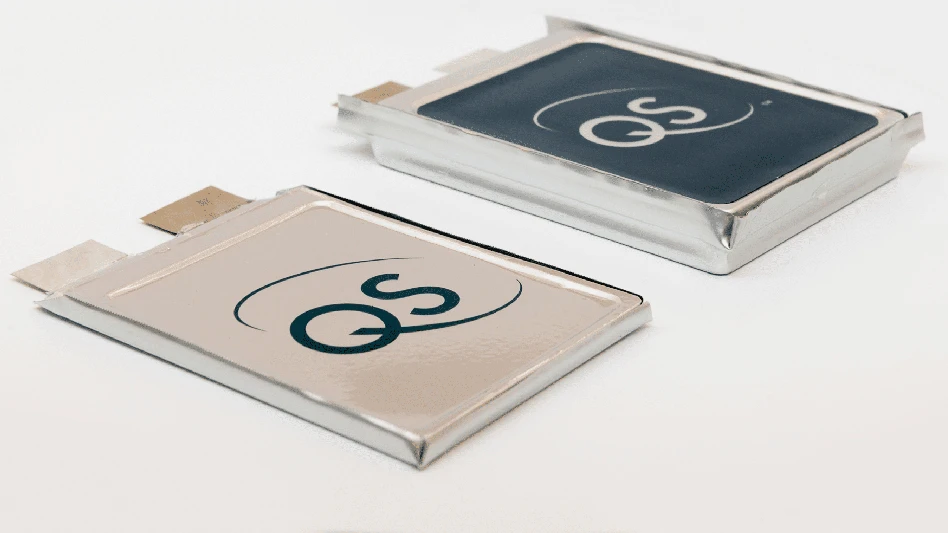
Taking cue of this factor and the thriving emphasis on alternatives to fossil fuels, the demand for electric ships will surge as they are mostly powered using lithium-ion batteries to keep them going. These systems mainly run-on electricity instead of conventional or diesel engines and are known to have a positive impact on the environment given their lower oil emission. They also require lesser and more compact space for installing the electrical propulsion machinery. In addition, these ships offer reduced life cycle & maintenance costs, and lesser fuel consumption.
Below is a list of important parameters that may infuse a positive outlook for the global electric ships market expansion:
#1 Hybrid ships to record higher deployment
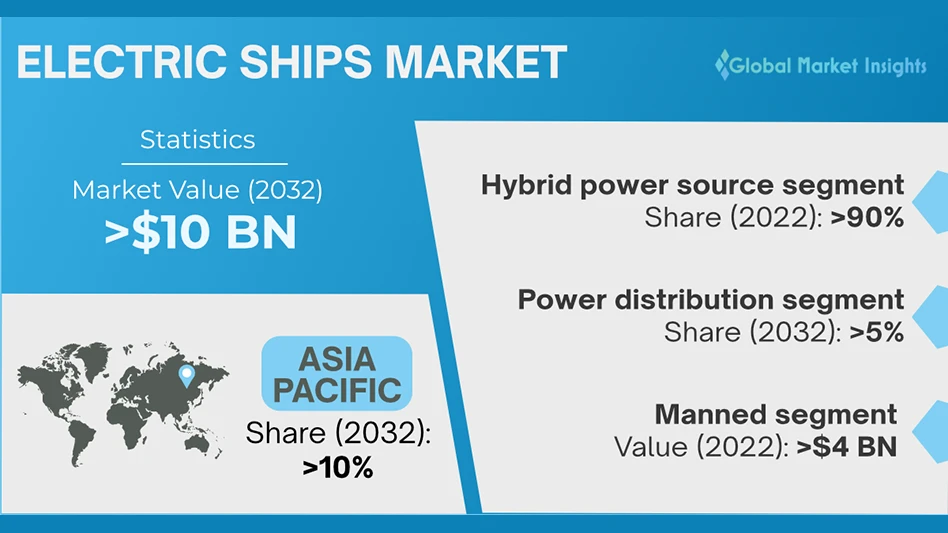
The impending environmental regulations and escalating fuel prices have triggered a higher emphasis on efficient and environmentally friendly ships, including hybrid electric ships. While all the power in a full-electric ship comes from batteries, a plug-in hybrid ship comprises a conventional engine and charges its batteries with the help of shore power. They are also known to offer power-dense, efficient, and flexible solutions in advanced ship propulsion systems.
Hybridization with batteries is witnessing significant deployment in offshore vessels, ferries, and tugs as it can be used with diesel, LNG, and biofuels and does not necessitate any charging infrastructure on land. The growing preference for hybrid solutions in instances of large fluctuations in power output, will also positively favor the market growth.
#2 Thriving need or power generation
As the marine sector is embracing decarbonization at a gradual pace, there has been a rising focus on various solutions to reduce emissions. These spiraling concerns over fossil fuel consumption and environmental pollution particularly in marine vessels have stirred the higher need for power generation systems. There has been a surge in the number of concerns in ships regarding the fluctuations caused by high dynamic loads. The growing popularity of electrical solutions, such as Diesel-Electric-propulsion and shaft generators, will act as a substantial driver for the industry progression.
#3 Booming presence in Europe
Based on factors, such as geography and abundant hydroelectric resources, Europe is witnessing rapid strides in the development of electric shipping, including light and short-range ferries. The significantly rising CO2 emissions and other pollutants from container ships, freighters, tankers, and cruise liners mainly in Norway have made way for the growing emphasis on electrifying the coastal vessels. The increasing presence of electric-powered commercial ships deployed with the battery and motor technology in the region is another impact rendering factor for the market expansion.
Furthermore, the utility of electric drive systems in ferries and inland vessels has largely evolved as they dock frequently, giving the chance of exchanging the batteries in containers or briefly recharging them. Several electric ship companies have been actively implementing various marketing strategies to sustain competition, further adding to the market proliferation. For instance, in July 2021, ABB announced its plans of powering the first fully electric U.S. tugboat to offer maximum efficiency as well as zero-emission operations.
Latest from EV Design & Manufacturing
- Powering homes with EV batteries could cut emissions, save thousands of dollars
- Meviy introduces stainless steel passivation option for CNC, sheet metal parts
- December Lunch + Learn webinar with Fagor Automation
- December Lunch + Learn webinar with LANG Technik + Metalcraft Automation Group
- EVIO makes public debut with hybrid-electric aircraft
- Redesigned pilot step drill triples performance
- Green Energy Origin expands battery electrolyte manufacturing in North America, Europe
- What’s next for the design and manufacturing industry in 2026?