Fully autonomous vehicles: $38.6 billion market by 2030
Goods delivery, not passenger travel, will drive the bulk of the massive industry growth expected.
67.8% compound annual growth rate (CAGR)
$1.0 billion in 2023 to $38.6 billion in 2030
Vehicles that deliver goods instead of people, such as the Nuro R1, which is already delivering groceries for Kroger, don’t need to include safety equipment and can travel very slowly, making them more practical in the short term. Goods delivery vehicles should grow more quickly than people-delivering robot-taxis.
2023
Goods $0.6 billion
Passengers $0.4 billion
2030
Goods $21.7 billion
Passengers $16.9 billion
Key safety/navigation technologies (in order of future spending)
• Cameras
• LiDAR
• Ultrasonic sensors
• Radar
Autonomous vehicle propulsion source (in order of future spending)
• Electric vehicles
• Hydrogen fuel cells
• Hybrid-electric powertrains
Major companies driving technology
• Aptiv
• Aurora (bought Uber’s autonomous unit in late 2020)
• Cruise LLC (General Motors subsidiary)
• Daimler AG
• EasyMile
• Ford Motor Co.
• Lyft Inc.
• Navya
• Ridecell Inc.
• Waymo (Google subsidiary)
Source: https://www.alliedmarketresearch.com/robo-taxi-market

Explore the March 2021 Issue
Check out more from this issue and find your next story to read.
Latest from EV Design & Manufacturing
- Festo Didactic to highlight advanced manufacturing training solutions at ACTE CareerTech VISION 2025
- Multilayer ceramic capacitor enters mass production
- How US electric vehicle battery manufacturers can stay nimble amid uncertainty
- Threading tools line expanded for safety critical applications
- #55 Lunch + Learn Podcast with KINEXON
- Coperion, HPB eye industrial-scale production of solid-state batteries
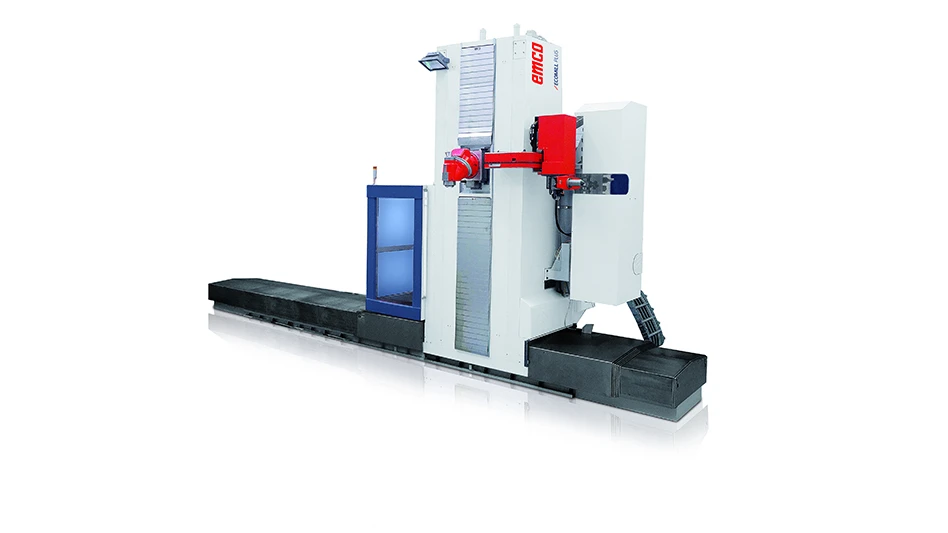
- Machine tool geared toward automotive structural components
- Modular electric drive concept reduces dependence on critical minerals