Safety electronics, body reference test
The TS-8989 Body and Safety Electronics Reference Solution is a PXI-based solution for testing body and safety control modules in automotive electronics.
TS-8989 combines an 8-slot PXI chassis, and an 11-slot switch/load unit with an integrated 8-channel digital input output (DIO) and ±12V fixed DC power supply for fixture control. The unit fits into standard 19" rack systems.
The M9188A PXI, 16-channel analog source (DAC), provides simulation of input sensors, such as force and position sensors. For simulating discrete switches, such as wiper control switches, Keysight’s U7177A 24-channel, 2A load card has been added, providing multiple channels of discrete switching; with user-defined loads that engineers can wire to the individual channels.
To simulate driving loads, such as wiper motors or actuating an electro-mechanical component, engineers can select a series of high-current load cards with a mix of load channels and handling currents up to 40A.
Included TestExec SL software contains more than 250 routines for automotive electronic test to shorten development time.
Keysight Technologies

Center airbag system
An airbag that inflates between front-seat passengers could improve side impact protection. The center airbag is integrated into the inner side of the seat back and deploys to help protect the head, shoulder, and torso.
In the event of a far-side impact, where an oncoming vehicle or object strikes the opposite side of the vehicle to the driver with sufficient force, the center airbag helps keep the driver in place. It can minimize side displacement of the driver and reduce the risk of interaction of the driver with the front seat passenger or surrounding structural vehicle interior parts.
In the U.S., nearly 30% of side impact fatalities involve far side events. In Germany, nearly 30% of severely injured occupants in side crashes were in far-side collisions.
ZF TRW

Window tint controls
Intelligent Glass Control uses special films to change transparency through electric control signals. Selective, incremental darkening of the side and rear windows and parts of the windshield increases comfort for passengers by automatically blocking sun glare.
Solar radiation can be reduced, lowering interior temperature, which could lead to smaller, lighter, more efficient air-conditioning systems. Weight reductions could raise electrical vehicle ranges by 5.5%.
Films with embedded particles that can be aligned when a voltage is applied had previously been available only for darkening the roof areas of low-volume luxury cars. The updated system can apply to side and rear windows and the windshield of mass-market vehicles. Due to legal requirements this is only permitted in the area of the sun visors on windshields.
Continental AG
Latest from EV Design & Manufacturing
- Festo Didactic to highlight advanced manufacturing training solutions at ACTE CareerTech VISION 2025
- Multilayer ceramic capacitor enters mass production
- How US electric vehicle battery manufacturers can stay nimble amid uncertainty
- Threading tools line expanded for safety critical applications
- #55 Lunch + Learn Podcast with KINEXON
- Coperion, HPB eye industrial-scale production of solid-state batteries
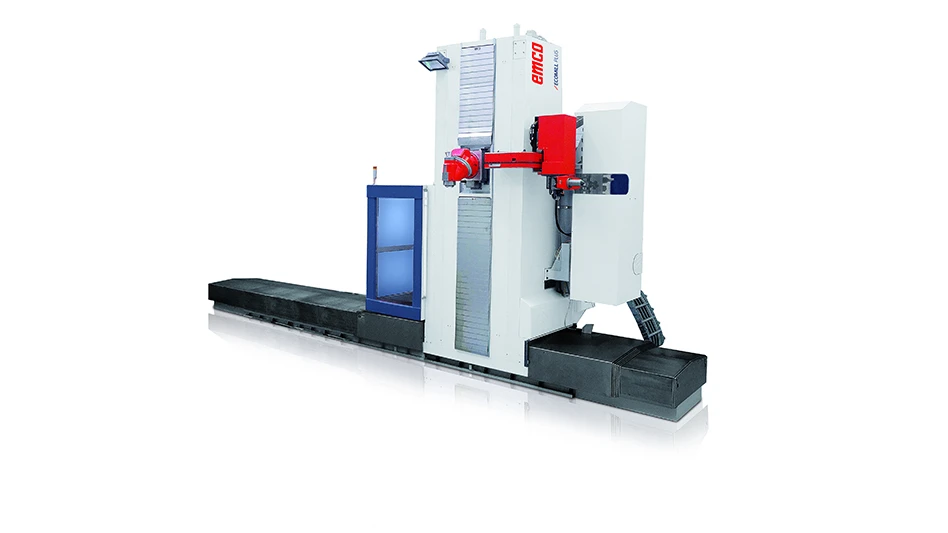
- Machine tool geared toward automotive structural components
- Modular electric drive concept reduces dependence on critical minerals