AdobeStock | 518434209
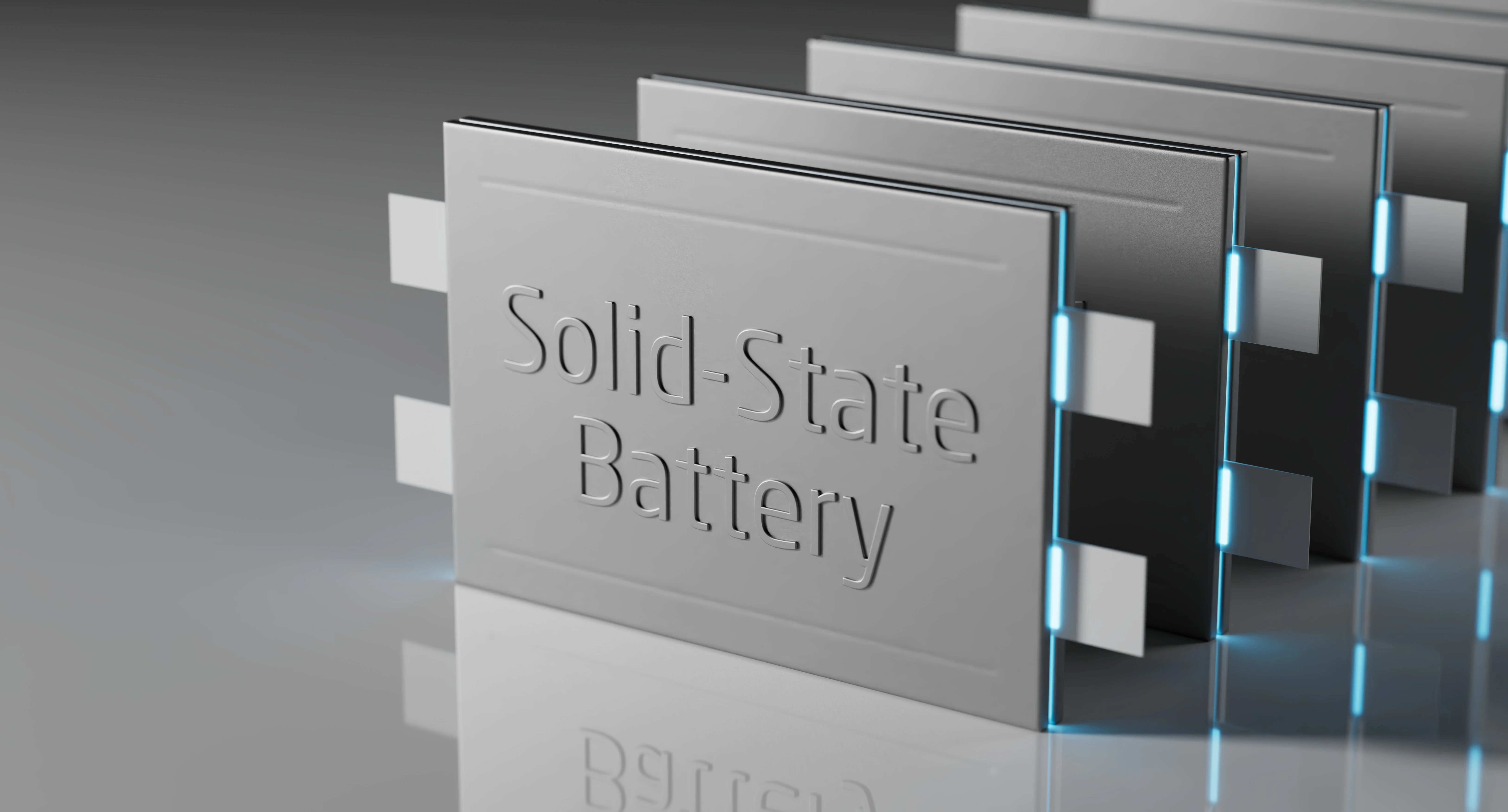
HPB, a German innovator in solid-state battery technology, has partnered with process engineering company Coperion to advance slurry production.
This strategic collaboration integrates Coperion’s expertise in continuous processing with HPB’s battery technology with the potential to support future industrial-scale production readiness. HPB’s solid-state batteries offer significant improvements in safety, longevity, and environmental impact. With intellectual property protected in 96 countries, the technology provides up to 50% better environmental balance compared to conventional lithium-ion batteries.
Earlier this year, HPB and Coperion conducted joint tests at Coperion’s test facility in Stuttgart, Germany. Using their continuous extrusion systems, the teams examined whether HPB’s slurry parameters could be effectively achieved. The first tests demonstrated that the target viscosity could be met, opening the door to further investigation.
“Our primary goal was to validate that our proprietary slurry can be produced reliably and consistently at industrial scale. The successful trials using Coperion’s state-of-the-art equipment have confirmed that scaling up our technology is both feasible and efficient,” explains Markus Stichnote, head of development at HPB.
Coperion brings extensive expertise in scaling innovative material processes from laboratory to industrial production. “We are delighted to support HPB in translating their innovative battery tech into scalable production. By applying our advanced continuous mixing solutions, we demonstrated that even novel battery formulations can be produced safely, efficiently, and at scale,” says Massimo Bernert, teamleader Sales Europe from Coperion.
After the team successfully achieved target viscosity using the extruder in the first tests, they will consider scaling up trials in the next rounds, keeping in mind the possibility of industrial-scale production in the future.
Latest from EV Design & Manufacturing
- How US electric vehicle battery manufacturers can stay nimble amid uncertainty
- Threading tools line expanded for safety critical applications
- #55 Lunch + Learn Podcast with KINEXON
- Machine tool geared toward automotive structural components
- Modular electric drive concept reduces dependence on critical minerals
- EMCO presents Ecomill Plus HPC3 milling machine
- Discovery paves way for safer, higher-performance batteries
- #77 Manufacturing Matters - Supply Chain - Smoothing Out or Something Else? with Lisa Anderson